The state of AI in 2026: On the road to ROI
McKinsey & Company's The state of AI in 2026: On the road to ROI (August 2026; n=1,719, fielded May 4–Jun 8, 2026) found that 37% attribute any EBIT impact to AI, essentially unchanged from last year.
Key findings
- 0180% say AI improved their individual productivity, yet only about 6% are AI high performers, flat since 2025.
- 0232% decided against buying at least one software product or feature because they could build it with agentic coding tools.
- 03Smaller organizations (under $1B) scaling agents stayed flat at 22%; large ones rose from 27% to 40%.
By the numbers
37%attribute any EBIT impact to AI, essentially unchanged from last year
32%decided against buying at least one software product or feature because they could build it with agentic coding tools
14%say AI reduced their workforce in the past year, versus 32% who expected reductions in last year's survey
38%
44%
What it means for you Draft
For executives at $10–100M companies
Individual productivity gains are real and widespread, but they are not showing up as profit for most companies, including large ones. For a smaller firm, the gap between large and small organizations is widening on agents, which argues for picking one or two workflows and redesigning them properly rather than chasing breadth. The build-versus-buy finding is worth watching before renewing niche software contracts.
Limitations
Medium trust.Large global sample, methodology and size mix disclosed; self-reported, GDP-weighted. McKinsey sells AI transformation services.
About the publisher: Sells AI strategy and implementation consulting.
The headline figure measures the “Pays off” stage of adoption (measurable profit impact).Why adoption numbers disagree
McKinsey & Company. "The state of AI in 2026: On the road to ROI." August 25, 2026. https://www.mckinsey.com/capabilities/quantumblack/our-insights/the-state-of-ai
Related reports
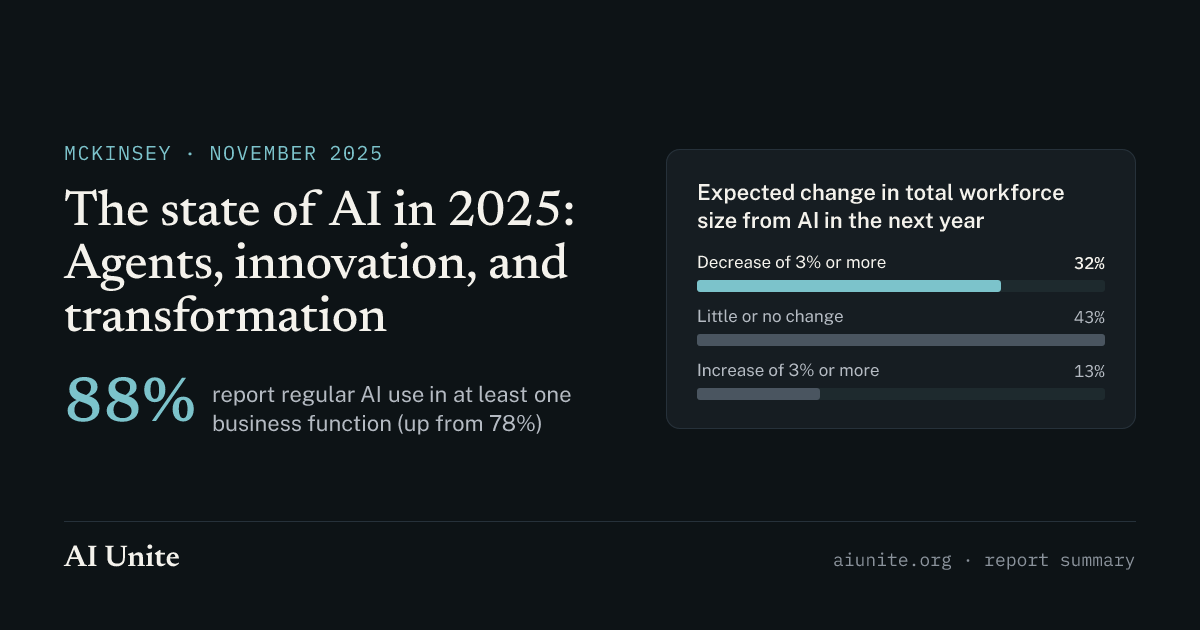 The state of AI in 2025: Agents, innovation, and transformationNearly two-thirds say their organizations have not yet begun scaling AI across the enterprise.
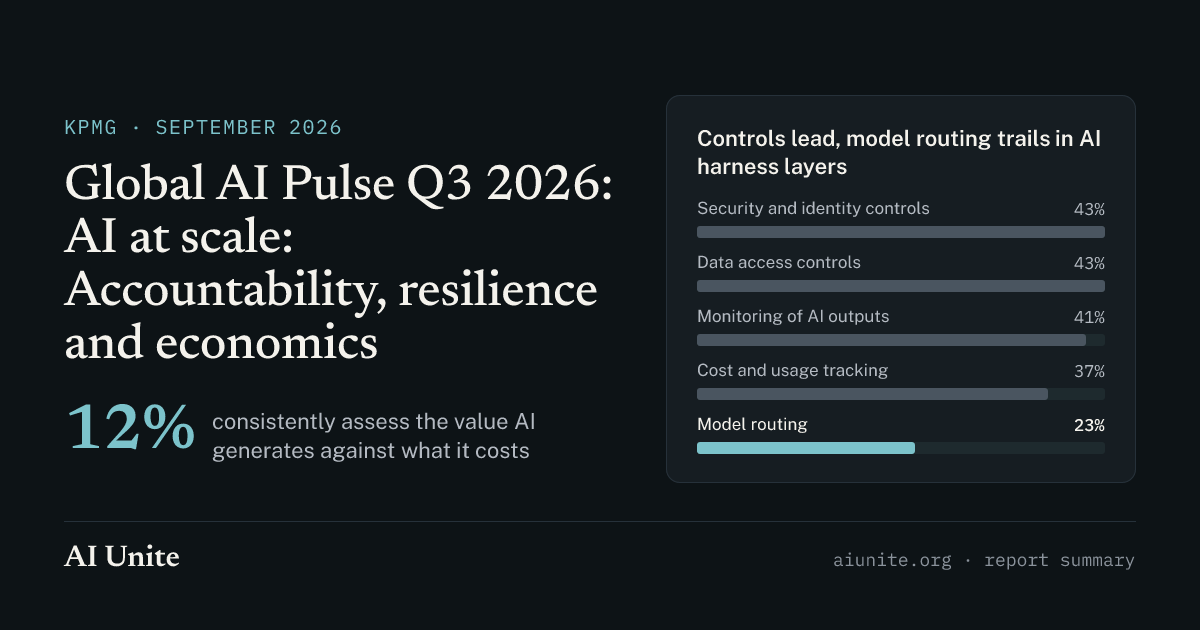 Global AI Pulse Q3 2026: AI at scale: Accountability, resilience and economics34% report significant employee adoption of AI agents, up from 25% in Q1 2026.
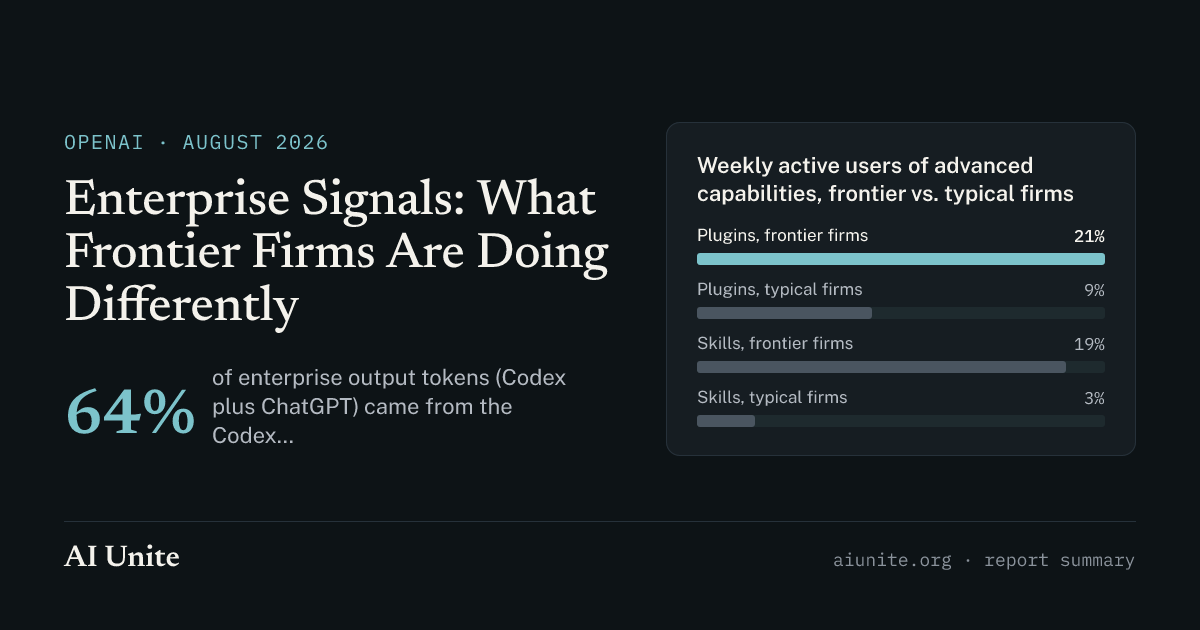 Enterprise Signals: What Frontier Firms Are Doing DifferentlyOpenAI usage data shows agent use overtaking chat in enterprises, and the heaviest-using firms pulling further ahead of typical ones.