Work AI Index 2026: Botsitting, Botshitting & the Hidden Human Labor of AI at Work
Glean's Work AI Index 2026 (June 2026; n=6,000 digital workers, worker survey) found that workers say AI saves them about 11 hours a week, yet they spend 6.4 hours a week 'botsitting' AI and only 13% say AI has significantly improved their organization's performance.
Key findings
- 0187% of digital workers use AI at work, 75% say it makes them more productive, and they report saving roughly 11 hours a week.Only 13% say AI has significantly improved their organization's performance.
- 02Workers spend 6.4 hours a week 'botsitting', which is 37% of their AI time.That is more than the 36% of AI time spent actually using AI to do work; the rest goes to learning tools and building agents.
- 0369% of AI users admit to shipping AI-generated work they have not verified, don't fully understand, or can't stand behind.This includes 41% who sometimes deliver work they could not explain and 28% who have blamed AI for mistakes they caused.
- 0477% of AI users juggle multiple AI tools each week, and 60% rerun the same prompt across tools because the first output was not good enough.Glean describes employees becoming the integration layer between tools.
- 0553% say important information they need is not accessible from their AI tools.Workers with context-poor AI were more likely to feel worn out by AI (50% vs. 18%) and to use unapproved tools (53% vs. 21%).
By the numbers
11 hrsper week workers say AI saves them
13%say AI significantly improved their organization's performance
69%of AI users admit shipping work they haven't verified
What it means for you Draft
For executives at $10–100M companies
Self-reported time savings from AI look large, but a big share appears to go back into supervising and fixing the output, and few workers see the company doing better. For a $10–100M company, it may be worth asking where the saved hours actually go, and whether staff are shipping AI work nobody has checked. Fewer, better-connected tools may beat more tools.
For practitioners
Budget time for checking and correcting AI output, and set a norm that people can explain anything they hand off. Giving AI tools access to the right company information appears to reduce rework and unapproved workarounds.
Limitations
Medium trust.Large three-country worker survey with disclosed fieldwork, but self-reported hours and publisher sells the enterprise AI remedy it recommends.
All figures are self-reported by workers; hours saved and botsitting time are not measured. Glean sells enterprise AI that emphasizes context and connected data, which is the fix the report points to. Company sizes are not disclosed.
About the publisher: Sells an enterprise AI search and agent platform; the Work AI Institute is Glean's research arm.
Glean (Work AI Institute). "Work AI Index 2026: Botsitting, Botshitting & the Hidden Human Labor of AI at Work." June 10, 2026. https://www.glean.com/work-ai-institute/reports/work-ai-index
Related reports
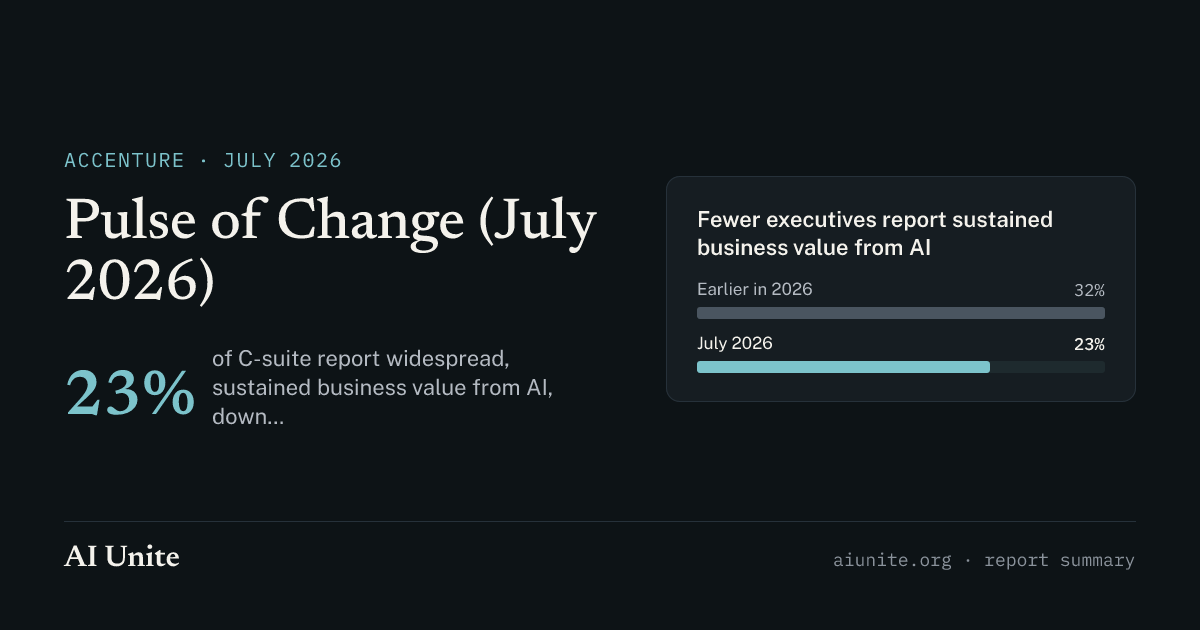 Pulse of Change (July 2026)82% of C-suite leaders are increasing AI investment; 49% of companies are piloting or deploying AI agents.
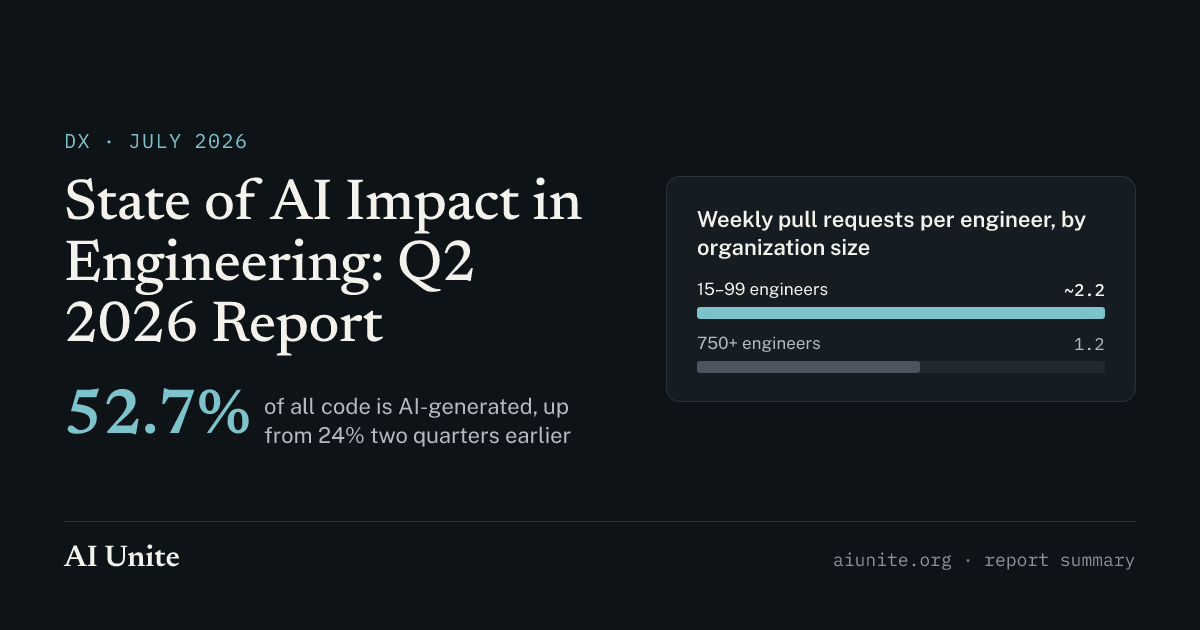 State of AI Impact in Engineering: Q2 2026 ReportAI now writes 52.7% of code and AI spend rose ~28x in tech, but time on new features stayed flat and change confidence fell 6.1%.
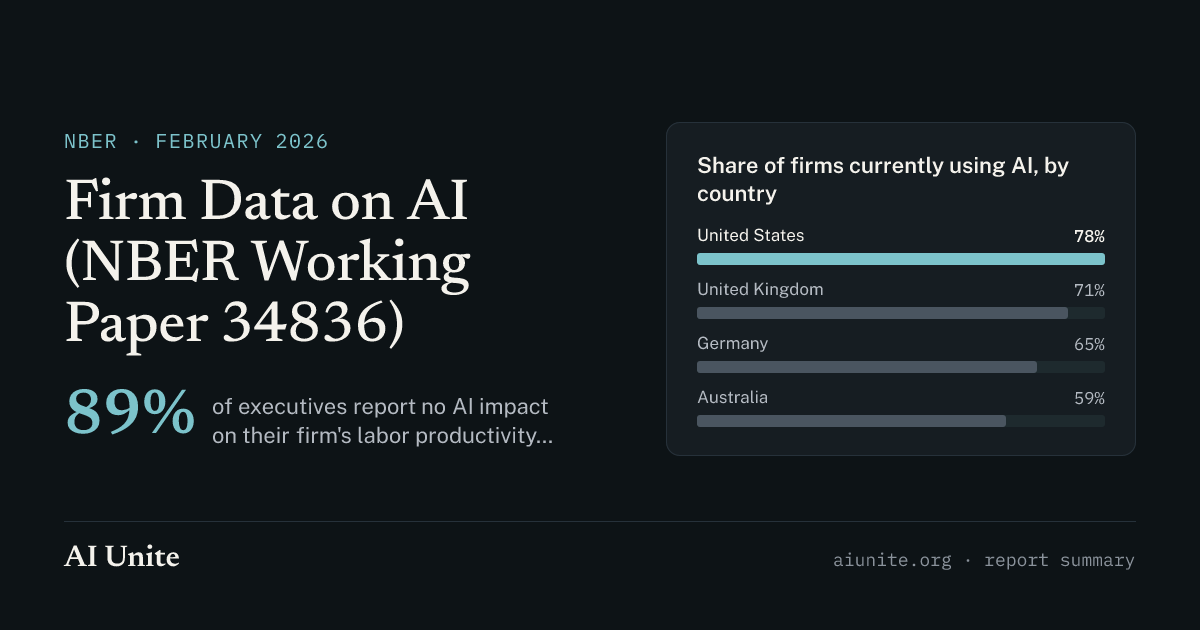 Firm Data on AI (NBER Working Paper 34836)Across four countries, most firms use AI, but nine in ten executives report no effect yet on jobs or productivity at their own firm.